


Understanding the Windshield Wiper System for Commercial Vehicles
5/9/20262 min read
Introduction to Windshield Wiper Systems
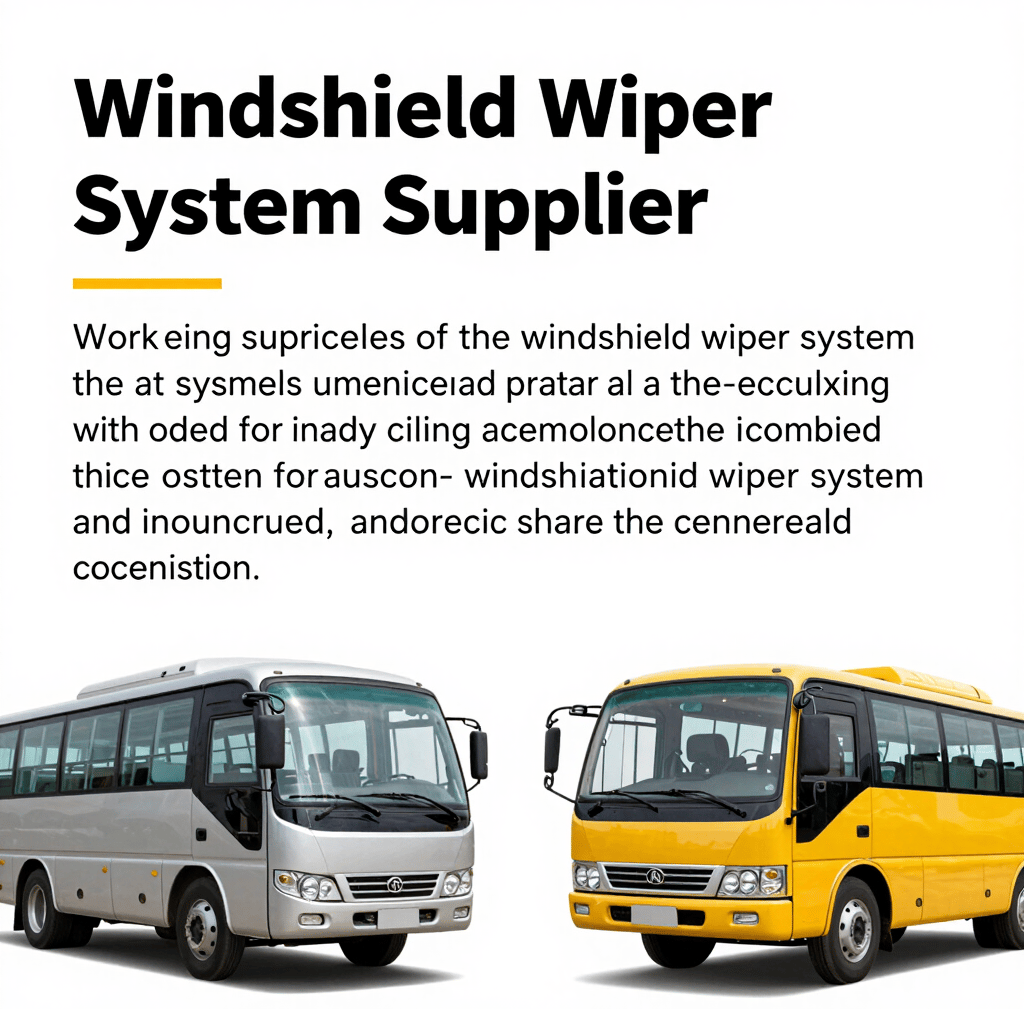
The windshield wiper system is an essential component of commercial vehicles, ensuring driver visibility and safety during adverse weather conditions. This system is designed not only for effectiveness but also for longevity, catering specifically to the demands of trucks, buses, and construction vehicles. In this blog, we will explore the working principles of windshield wiper systems and their importance in maintaining safety on the roads.
Components of a Windshield Wiper System
A standard windshield wiper system consists of several key components, each playing a critical role in its functionality. These include the wiper blades, wiper arms, a motor, and the linkage that connects the motor to the wipers. The wiper blades, typically made of rubber, are responsible for clearing rain and debris from the windshield, while the wiper arms hold the blades and provide the necessary movement.
The motor drives the entire system, allowing for different speed settings to adapt to varying weather conditions. Additionally, the linkage ensures that both wipers work synchronously, which is particularly important in larger vehicles like buses where visibility is paramount.
The Working Principle of the Windshield Wiper System
The operation of a windshield wiper system is straightforward yet highly effective. When the driver activates the wipers, the motor initiates movement. Depending on the selected speed (intermittent, low, or high), the motor's speed varies, influencing how rapidly the wipers traverse across the windshield.
As the motor turns, it engages the linkage system, which converts the rotational motion into the back-and-forth motion necessary for the wipers to effectively clear the glass surface. Almost all contemporary systems include a built-in feature that allows for automatic adjustments, detecting rainfall and adjusting the speed of the wipers accordingly.
Maintenance of the windshield wiper system is equally important. Regular checks should be performed to ensure the wiper blades are not worn out and that the entire system is functioning smoothly. Replacing blades at the manufacturer’s recommended intervals helps maintain optimal performance, contributing to driver and passenger safety.
Conclusion
In conclusion, the windshield wiper system is a crucial aspect of commercial vehicle safety. By understanding its components and working principle, fleet managers and vehicle owners can make informed decisions about maintenance and upgrades. Investing in quality wiper systems ensures that vehicles remain roadworthy and safe, especially in challenging weather conditions. As a reliable windshield wiper system supplier, it is vital to prioritize high-efficiency components, ensuring optimal performance and safety on the roads.