


Why Professional Manufacturers Win Long-Term Partnerships: The Crucial Role of Quality Control in Wiper Assembly
Hower
5/9/20264 min read
Understanding the Value of Professional Manufacturers
Professional manufacturers play a pivotal role in various industries, offering essential characteristics that set them apart from their counterparts. Reliability is one of the primary advantages of collaborating with such manufacturers. They consistently deliver products that meet established standards, ensuring that clients receive high-quality items on time. This dependability is not just beneficial for day-to-day operations; it also reinforces the overall integrity of the supply chain, cultivating a sense of trust between manufacturers and their partners.
Furthermore, professional manufacturers possess specialized expertise and experience in their fields. Their deep understanding of industry standards and regulatory requirements enables them to navigate complex production processes with ease. This expertise comes into play not only in the manufacturing phase but also in troubleshooting and problem-solving, allowing them to effectively address any challenges that may arise. By leveraging their knowledge, professional manufacturers can provide valuable guidance to clients, helping them make informed decisions and leading to increased efficiency and reduced operational risks.
Another noteworthy aspect is their capacity to innovate. The ability to adopt new technologies and processes is crucial in today’s rapidly evolving market. Professional manufacturers often invest in research and development, enabling them to offer cutting-edge solutions that amplify productivity and reduce costs. This penchant for innovation fosters a collaborative spirit, encouraging the co-creation of new products and solutions with clients, which can further enhance long-term partnerships.
In summary, the collaboration with professional manufacturers is critically advantageous. Their reliability, expertise, and innovative capabilities are foundational elements that contribute to building and maintaining trusting relationships with clients. As a result, the investment in such partnerships yields substantial long-term benefits for all parties involved, enhancing the overall success of enterprises.
The Importance of Quality Control in Manufacturing
Quality control is a fundamental aspect of the manufacturing process that significantly influences product consistency, reliability, and overall customer satisfaction. In today's competitive market, manufacturers implement various quality control processes and techniques to ensure that their products meet established standards. These measures provide assurance not only to manufacturers but also to customers, enhancing trust and confidence in the brand.
One of the primary techniques employed in quality control is statistical process control (SPC), which involves the use of statistical methods to monitor and control production processes. By analyzing data collected from various stages of manufacturing, companies can identify variances and take corrective actions before defects occur. This proactive approach helps maintain product quality and minimizes waste, as fewer resources are expended on rework or discarding defective units.
Additionally, manufacturers often adopt stringent inspection protocols, including incoming material inspections, in-process quality checks, and final product audits. These inspections serve as critical checkpoints, allowing for early detection of potential quality issues. If inconsistencies are identified, manufacturers can swiftly address them, which ultimately saves time and reduces costs associated with returns and repairs.
Moreover, effective quality control plays a vital role in enhancing customer satisfaction. When customers receive consistent and reliable products, their trust in the brand strengthens, leading to repeat purchases and increased brand loyalty. Quality assurance measures convey a commitment to excellence, which resonates well with consumers seeking high-quality alternatives in a crowded marketplace.
In conclusion, implementing robust quality control processes in manufacturing is indispensable. These measures not only prevent costly errors but also foster long-term partnerships by establishing a reputation for reliability and excellence in product quality. As a result, manufacturers that prioritize quality control are better positioned to succeed in the long run, cultivating lasting relationships with their partners and customers alike.
Specifics of Wiper Assembly Quality Control
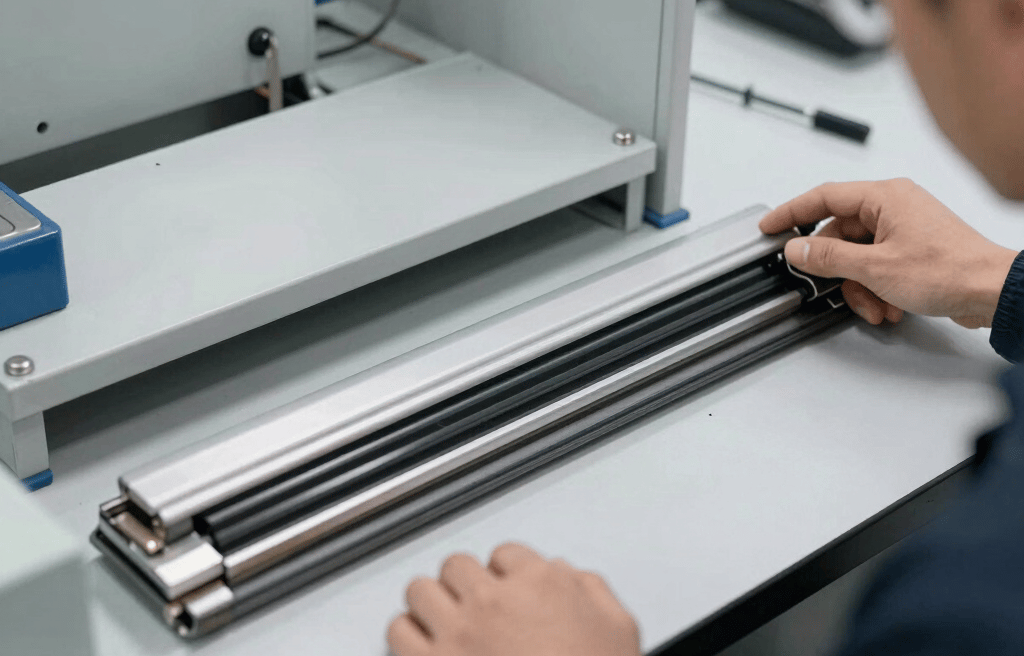
Quality control in the production of wiper assemblies is paramount to ensuring safety, functionality, and customer satisfaction. Wiper assemblies must adhere to strict industry standards, which encompass aspects such as durability, performance, and reliability. Various tests are carried out to evaluate these parameters, including endurance testing, where wiper systems undergo repeated cycles to simulate real-world usage, and performance testing, which assesses the efficiency of the wipers in various weather conditions.
One of the significant challenges manufacturers face in maintaining high-quality wiper assemblies is the variability in raw materials. This includes inconsistent quality from suppliers, which can lead to defects in the final product. Addressing these challenges necessitates rigorous supplier evaluations and continuous assessments of material quality. Manufacturers must also implement comprehensive in-process inspections at multiple stages of assembly to catch any potential issues early, thereby minimizing waste and ensuring product integrity.
Innovation plays a crucial role in enhancing the quality of wiper assemblies. New technologies, such as automated systems and advanced materials, are being integrated into the production process to improve precision and reduce the risk of errors. For example, the use of computer-aided design (CAD) allows for more accurate specifications, while modern manufacturing techniques can lead to more consistent outcomes. Additionally, incorporating feedback from both manufacturers and end-users can drive ongoing improvements in quality standards.
The repercussions of poor-quality wiper assemblies can be severe. Manufacturers may face increased warranty claims, damage to their reputation, and significant financial losses. For end-users, inferior wiper performance can compromise visibility while driving, leading to dangerous situations and potential accidents. Therefore, strict adherence to quality control is essential for establishing long-term partnerships and ensuring overall customer trust.
Building Long-Term Partnerships Through Quality Assurance
In today’s competitive manufacturing landscape, maintaining robust long-term partnerships between manufacturers and their clients largely hinges on the implementation of rigorous quality assurance protocols. Quality control is not merely an operational necessity; it serves as the foundation upon which trust and loyalty are built. To foster these enduring relationships, manufacturers must adopt proactive strategies that prioritize quality at every stage of the production process.
One effective strategy involves establishing comprehensive quality standards that align with client expectations. By collaborating with clients to define these benchmarks, manufacturers can ensure that their output meets or exceeds the anticipated quality levels. This level of transparency not only mitigates potential conflicts but also underlines a commitment to shared goals, thus enhancing the partnership's longevity.
Furthermore, communication is pivotal in quality assurance. Regular updates and open channels for dialogue regarding quality expectations and product performance are essential. This could involve detailed reports, quality audits, and consistency checks that are shared with partners, allowing for a mutual understanding of quality barriers and achievements. Such communication not only reinforces trust but also invites collaborative problem-solving should any quality issues arise.
In addition to clear communication, feedback loops are integral to maintaining high quality standards. Systems need to be in place for receiving, analyzing, and acting on feedback from clients about product quality. Incorporating client feedback can lead to improvements in processes and products, allowing manufacturers to tailor offerings that meet evolving partner requirements.
Real-world examples highlight the success of such strategies. For instance, a leading wiper assembly manufacturer improved their partnership lifespan significantly by creating a joint quality assurance committee with key clients, which actively tracked quality metrics and facilitated ongoing discussions. These initiatives not only enhanced product quality but also solidified long-lasting partnerships built on trust and mutual respect.